A major national project in the east of the country, built with domestic specialists in Torbat-e-Jam, in a deprived area, with permanent jobs and an export mandate.
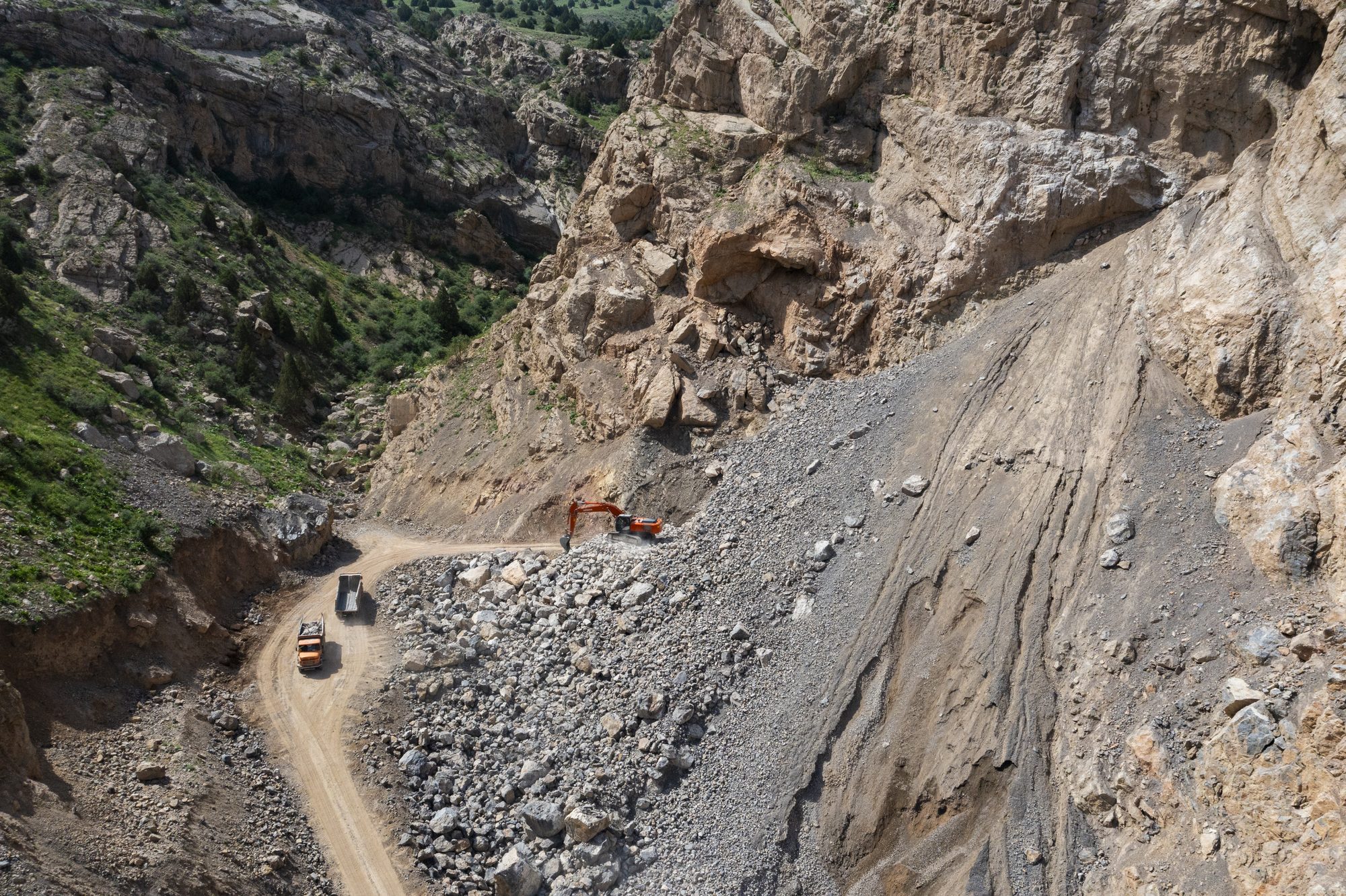
Official company photograph
Four published chapters: mission, capacity, geography and technology.
01
Origin and mandate
AWCC was designed, approved and implemented as a national project and resistive-economy plan with private-sector investment to boom the regional economy, create steady occupation, eliminate deprivation, improve social security, and develop exports. The company presents itself as an example of economic recovery and national determination in eastern Iran.
02
Capacity
Nominal capacity was 5,000 t/d clinker and cement, raised to 6,000 t/d cement in April–May 2018. Published annual capacity is about 1,500,000 MT. Employment: 300 direct jobs and 2,000 indirect occupations.
03
Location
The plant stands at km 45 on the Fariman to Torbat-e-Jam road, Nasrabad, Khorasan Razavi; about 110 km on the Mashhad–Torbat-e-Jam route, next to Motahari–Fariman railway station and near the Dogharoun border in Taybad.
04
Mining and raw materials
The factory sits close to lime, clay, pozzolan, gypsum and iron-ore resources capable of supplying the plant for 100 to 500 years. Ready access to pure, high-quality raw materials is listed as a principal advantage.
05
Technology
Main production machinery was selected from modern European brands, including Hazemag and Loesche of Germany. AWCC describes its laboratory as one of the most efficient and modern QC units in the country.